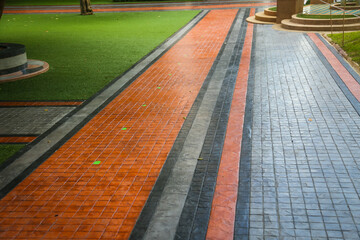
Concrete Contractors Denver provides the design flexibility to enhance commercial spaces with beauty and durability. This type of concrete is an affordable alternative to natural materials, such as stone and tile.
Unlike regular concrete, which is utilitarian and bland, decorative concrete can be enhanced with textures, colors, patterns, or finishes that mimic the look of high-end materials like stone and brick. Read on to discover why this solution is worth it for your next commercial project.
1. It’s Versatile
Concrete can be used in a wide variety of commercial spaces and applications. It is a cost-effective alternative to natural materials like brick and stone, and it can be customized to meet design specifications. Decorative concrete techniques such as stamping, staining and engraving can be used to create unique textures and designs. These methods allow designers to replicate the appearance of materials that are expensive and difficult to maintain, such as cobblestone or natural slate.
These decorative concrete designs are a perfect way to add curb appeal and enhance the ambiance of outdoor areas, such as patios, pool decks and driveways. They can also be used in interior applications, such as kitchen floors and countertops. Unlike tiles, marble or wood, concrete is durable and does not require regular maintenance. Its low-maintenance requirements reduce the need for costly repairs and replacements, making it a smart choice for commercial properties.
Decorative concrete is also an eco-friendly option. It can be made from recycled and locally sourced materials, which helps to reduce the environmental impact of construction projects. It is also less energy-intensive than other materials, reducing operational costs. Furthermore, it can be recycled at the end of its useful life, reducing waste and resource consumption.
Decorative concrete is an ideal material for modern designs, as it can be created to resemble a variety of materials, including natural stones, bricks and tiles. It can also be molded into specific shapes and textures to complement any architectural style. This versatility makes it an ideal material for a wide range of commercial projects, from public buildings to private homes. Moreover, it is easier to maintain than other types of materials, as routine cleaning with mild detergent and water is all that is needed to keep it looking its best.
2. It’s Affordable
Compared to other materials like natural stone, flagstone, tile, brick and even linoleum, concrete is relatively inexpensive. Plus, decorative concrete is more durable than those other materials, which means that it will hold up to foot traffic and vehicular movement and not wear down or crack prematurely.
When you consider the fact that concrete is one of the most popular materials used in commercial buildings, it makes sense that many people are turning to it for their exterior and interior design needs. This is because it is a cost-effective option that offers endless opportunities for customization and aesthetic enhancement.
With options like staining, overlays and engraving, you can achieve a wide variety of looks that rival those of more expensive materials. For instance, you can achieve rich, luxurious colors on plain concrete by using acid-based stains that penetrate the surface to produce a unique finish. Or, you can use stamps to imitate materials like cobblestone, natural slate or brick.
What’s more, with options like pattern imprinting and logo embedding, you can create a look that is fully in line with your brand identity and that will help to set your business apart from the competition. The end result is a space that is both functional and visually appealing, which will help to attract more customers and clients.
For commercial spaces that experience heavy foot traffic and the occasional vehicle load, it’s important to choose a material that will stand up to both the impact and the weather. While regular concrete is a great choice for foundational infrastructure, it can be difficult to maintain in areas prone to repeated exposure to environmental elements and heavy usage. Decorative concrete is an ideal option for these types of commercial areas because it is both durable and versatile enough to withstand the demands of daily use.
3. It’s Durable
Aesthetics should never have to come at the expense of durability, and decorative concrete provides both. It can withstand the heavy foot traffic of retail and restaurant spaces, the car load of parking pads and drive-up areas, and other environmental stresses without cracking or deteriorating prematurely. It is also highly resistant to temperature fluctuations, UV rays, and moisture damage, making it ideal for all weather conditions.
The beauty of decorative concrete is that it offers limitless possibilities, from a modern and sleek look to a traditional and rustic feel. Using a variety of textures, finishes, and color combinations, you can create an aesthetic that aligns with your commercial design goals. You can even add striations or other patterning to the surface for added flair. In addition, a variety of surface treatments are available to protect and preserve the concrete, including sand finish, exposed aggregate, chemical applications, and staining.
Unlike other flooring materials, such as tile or wood, decorative concrete requires little maintenance to keep it looking new. Its sealed surfaces are resistant to stains, moisture and UV damage, requiring only routine cleaning to remain pristine. This minimizes long-term costs for property owners and managers, especially in comparison to other flooring options like carpet.
Decorative concrete is eco-friendly and helps meet LEED (Leadership in Energy and Environmental Design) standards, which appeal to environmentally minded consumers. The polished and textured finishes can eliminate the need for coverings that require constant replacement, which in turn reduces energy consumption and carbon emissions. In addition, some textures like sand finish and exposed aggregate are slip resistant, which is important for commercial spaces around swimming pools to ensure a safe environment.
4. It’s Easy to Maintain
Decorative concrete allows for limitless design possibilities that enhance the aesthetic of outdoor commercial spaces. With techniques like stamping, staining and polishing, it can take on the look of stone, wood or brick while offering durability and cost-efficiency. In addition, overlay systems can revitalize existing concrete surfaces, saving commercial construction projects time and money.
Aside from its visual appeal, decorative concrete is also easy to maintain. Unlike materials such as stone or tile, which can require frequent sealing and grouting, decorative concrete can endure heavy foot traffic and environmental conditions with minimal maintenance. In fact, with a simple sweep and occasional mop, most types of decorative concrete can retain their shine and color for years.
However, it’s important to note that proper cleaning and maintenance is crucial to maintaining the integrity and longevity of any concrete surface. For decorative concrete, this means avoiding harsh chemicals that could damage the finish, and practicing regular cleaning procedures to remove dirt, debris and spills as soon as they occur. It’s also a good idea to apply an anti-skid coating to high-traffic areas to help prevent falls and injuries.
In commercial settings, form and function must go hand in hand. While visual appeal is crucial, the enduring strength of decorative concrete makes it an optimal material for boosting curb appeal and increasing the value of property. Whether you’re developing a retail space, office plaza or hospitality venue, a well-maintained decorative concrete surface will stand the test of time while reinforcing your brand identity. To learn more about how decorative concrete can elevate your commercial space, contact the team at Anchor Crete today. We look forward to showing you why our services are worth the investment!
5. It’s Eco-Friendly
Concrete is a durable, sustainable material that is well-suited for a variety of applications. Decorative concrete provides an added level of customization and design, making it ideal for commercial spaces. Its durability means it can withstand weather fluctuations and foot traffic, reducing the need for coverings that perpetually need replacement. Plus, polished or textured concrete surfaces are slip resistant, increasing safety.
Using a natural, eco-friendly material like decorative concrete to enhance commercial space can also reduce costs and environmental impact. It is less expensive to install than materials such as stone, wood and brick, and can be finished with a variety of textures, patterns and colors. It can be colored to mimic other materials, or used to create unique, one-of-a-kind designs.
In addition to the environmental benefits of decorative concrete, it can be used in a variety of ways to make homes and businesses more energy efficient. For example, a concrete floor in the bathroom is naturally cool and can help to maintain a comfortable temperature throughout the home. It is also easy to clean and does not absorb odors, which can be a problem in some other types of flooring materials.
Educating yourself on the different options available in concrete enhancement and determining which ones best fit your project can help you target environmentally minded customers. For example, NewLook offers products that are LEED (Leadership in Energy and Environmental Design) certified, including Slik Zero, a biodegradable form release with zero VOCs that reacts with the concrete to dissolve the forms, and Eco Acid, a noncorrosive and nonfuming alternative to traditional acid cleaners for preparing concrete for staining. The company also produces a line of low-VOC, water-based concrete stains called Endura Cool Stain, which contain reflective pigments to reduce the surface temperature and minimize the urban heat island effect.